
The Ultimate Guide to Sell-Side Quality of Earnings: Everything You Need to Succeed in 2026
If you’re a founder-owned or a private equity group looking to exit a business in 2026, you’ve likely heard the term "QoE" more times than you can count. But in today’s market, where buyers are more selective than ever, a sell-side Quality of Earnings (QoE) report isn't just a checkbox; it’s your most powerful weapon for defending your valuation and ensuring the deal actually closes.
At Boxwood Partners, we’ve seen first-hand how a robust sell-side QoE can make or break a transaction in the lower middle market ($25M–$500M EV). Whether you're running a massive franchise network, a high-growth consumer brand, or a multi-unit food service operation, the numbers you present at the start of a process need to be bulletproof.
In this guide, we’re breaking down everything you need to know about sell-side QoE, why it matters for your specific industry, and how to use it to secure the highest possible multiple.
What is a Sell-Side Quality of Earnings Report?
At its core, a sell-side QoE is an independent financial analysis commissioned by the seller. While an audit looks backward to ensure your books follow GAAP (Generally Accepted Accounting Principles), a QoE looks forward to ask: "Are these earnings sustainable, repeatable, and 'real' for a new owner?"
Think of it as a "pre-inspection" for your business. Just as you wouldn't sell a high-end commercial property without a structural report, you shouldn't launch a $100M M&A process without a verified EBITDA bridge.
Why it's the “Bridge” to Your Exit
In 2026, the gap between "reported EBITDA" and "deal-ready EBITDA" has widened. A QoE bridges that gap by normalizing your earnings, adding back one-time expenses, adjusting for non-recurring events, and identifying the "run-rate" of the business.
According to 2025–2026 market data, companies that used a sell-side QoE achieved average TEV/EBITDA multiples of 7.4x, compared to just 7.0x for those without one. In a $100M deal, that 0.4x difference is millions of dollars left on the table.
Why QoE is Crucial for Franchisors and Multi-Unit Operators
If you operate in the franchise or multi-unit space, your financials are inherently complex. You aren't just selling a business; you’re selling a system. Buyers, particularly private equity groups like those involved in our HomeWell Franchising sale, are looking for consistency across units.
The Complexity of Multi-Unit Financials
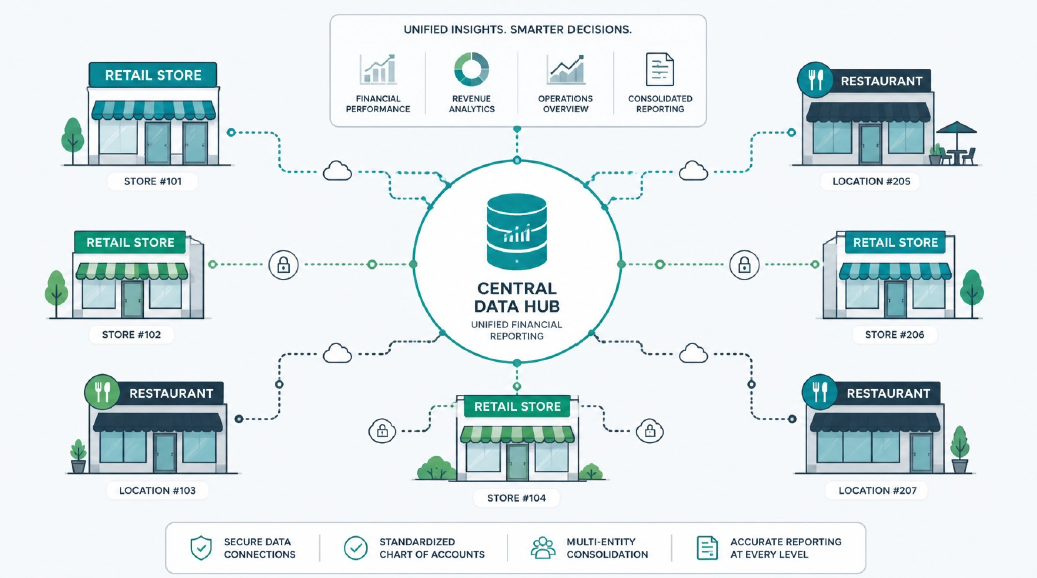
For franchisors and multi-unit franchisees, a sell-side QoE focuses on:
• Store-Level EBITDA: Breaking down the "four-wall" economics. Are certain regions propping up others?
• New Store Ramping: Adjusting for units that haven't hit maturity yet.
• Ad Fund Integrity: Ensuring advertising funds are treated as pass-throughs and haven't inadvertently padded the bottom line.
• Royalties & Fee Streams: Validating the recurring nature of royalty income and its sensitivity to franchisee health.
By proactively identifying these trends, you prevent a buyer from using "unit-level volatility" as an excuse to re-trade the price three weeks before closing.
Impact on Valuation: The Power of the Add-Back
In the lower middle market, valuation is almost always a multiple of Adjusted EBITDA. The "Adjusted" part is where the magic (and the risk) happens.
A sell-side QoE helps you identify and defend add-backs that you might have missed, or that a buyer might otherwise challenge:
1. Owner-Related Expenses: Personal travel, vehicles, or family members on the payroll.
2. One-Time Strategic Costs: Consulting fees for a new ERP system or legal fees for a past settlement.
3. Rent Adjustments: If you own the real estate and pay yourself above or below market rent, the QoE normalizes this to a market rate.
4. COVID or Supply Chain Blips: Normalizing for the temporary shocks that have become common in the last few years.
For consumer goods and food companies, understanding margin fluctuations is key. If a spike in ingredient costs was temporary, your QoE report will prove it, protecting your 8x or 9x multiple.
Winning in the 2026 M&A Landscape
The 2026 market is characterized by high selectivity. There is plenty of dry powder in the private equity world, but investors are doing more diligence than ever. They are looking for reasons to say "no" or to lower the price.
Turning the Tables on Diligence
When you provide a sell-side QoE at the start of a process, you're not just being helpful: you're taking control of the narrative. You’re telling the buyer, "We’ve already audited our own adjustments. Here is the data. Now, let’s talk about the growth story."
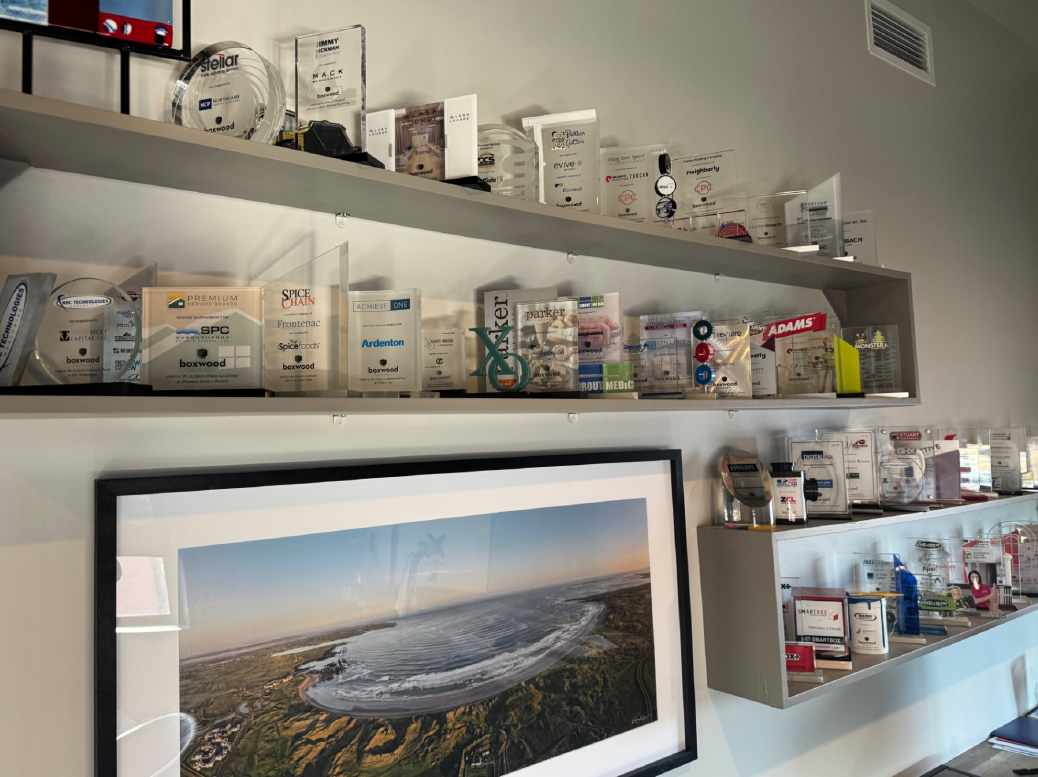
Our track record at Boxwood Partners proves that preparation equals results.
The “Red Flags” a QoE Can Clear Up
A QoE report will often surface "red flags" before a buyer finds them. Common issues include:
• Revenue Recognition Inconsistencies: Common in subscription-based models or long-term contracts.
• Customer Concentration: If one customer accounts for 30% of revenue, the QoE can help quantify the actual risk vs. the perceived risk.
• Working Capital Peg: Establishing a "normal" level of working capital so you don't get hit with a massive adjustment at the closing table.
The Retail and Food Perspective
For retail and consumer brands, the QoE must go deeper into inventory and channel health. A buyer of a wellness brand, like WellBiz Brands, wants to see that "Quality of Revenue" is just as high as "Quality of Earnings."
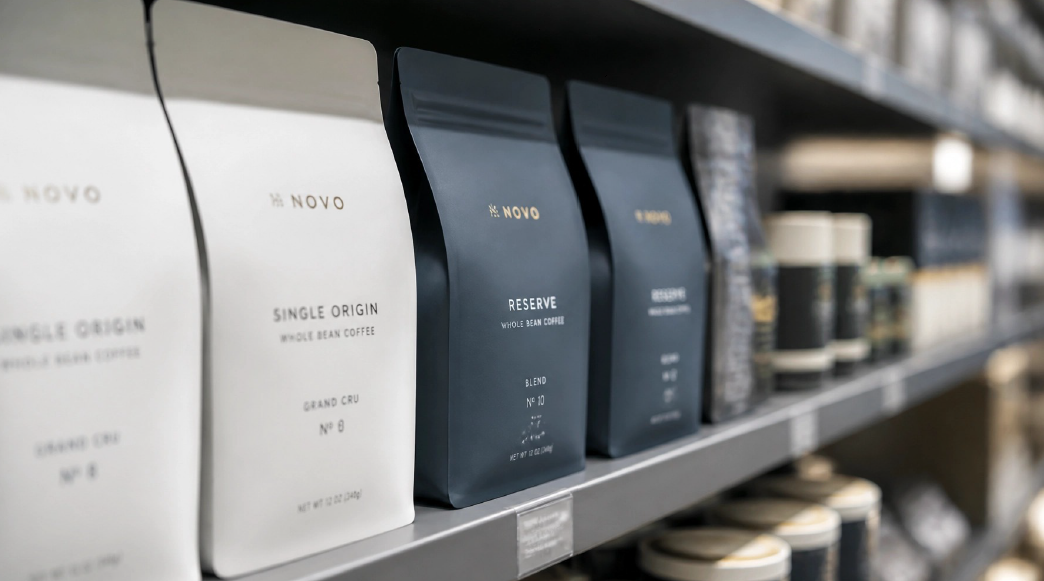
Key questions a QoE answers for Retail/Food:
• Is the growth coming from new store openings or sustainable "Same-Store Sales Growth" (SSSG)?
• How do promotional discounts affect the long-term margin profile?
• Are there "hidden" liabilities in gift card programs or loyalty points?
How to Get Started: Timeline and Cost
If you’re planning to sell in the next 12 months, the time to start your sell-side QoE is now.
• Timing: Ideally 3–6 months before you "launch" the business to potential buyers.
• Duration: A typical engagement takes 4–8 weeks.
• Cost: Depending on complexity, expect to invest $30k–$100k for companies in the $25M–$100M EV range. While it seems like a lot, the ROI is often 10x or more in terms of preserved deal value.
Choosing the Right Partner
You need an advisor who understands the lower middle market. Large "Big Four" firms often focus on multi-billion dollar deals and may miss the nuances of a founder-led franchise or a family-owned food business.
At Boxwood Partners, we work alongside your QoE provider to ensure the findings are presented in the most compelling way to potential bidders. We speak the language of private equity because we deal with them every single day.
Conclusion: Don't Leave Your Exit to Chance
In 2026, the difference between a successful exit and a "broken deal" often comes down to the quality of your financial preparation. A sell-side QoE is your defense against price chipping, your tool for valuation uplift, and your roadmap to a smooth closing.
If you’re a founder or a PE-backed CEO in the franchise, consumer, or food industries, let’s talk. We can help you navigate the complexities of the transaction process and ensure your hard work is rewarded with the multiple it deserves.
Ready to see what your business is really worth? Contact Boxwood Partners today.